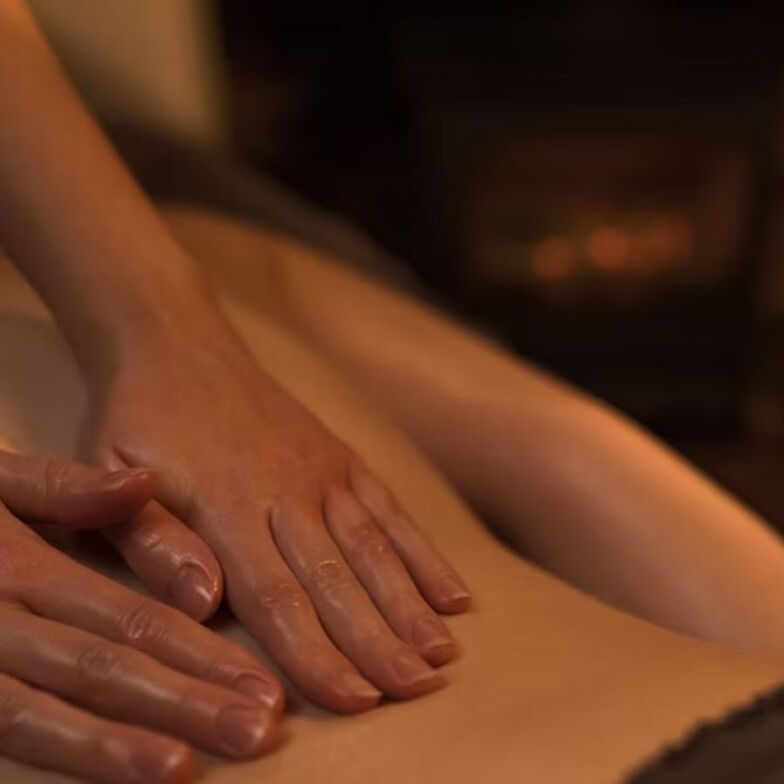
When most people think of massage therapy, they picture a relaxing hour on a massage table and a temporary escape from daily stress. While relaxation is certainly one of its benefits, massage therapy offers much more than a moment of comfort. It can play an important role in supporting overall health, reducing pain, improving mobility, and enhancing quality of life.
Whether you're dealing with chronic tension, recovering from physical activity, or simply looking to improve your wellness routine, massage therapy may be a valuable addition to your healthcare plan.
Relieves Muscle Tension and Pain
One of the most common reasons people seek massage therapy is to address muscle tightness and discomfort. Everyday activities such as sitting at a desk, exercising, driving, or even stress can cause muscles to become tense and restricted.
Massage therapy helps loosen tight muscles, improve flexibility, and reduce discomfort by increasing circulation to affected areas. Many individuals experience relief from common complaints such as:
- Neck pain
- Shoulder tension
- Lower back discomfort
- Muscle soreness
- Tension headaches
By addressing muscular imbalances, massage therapy can help the body move more comfortably and efficiently.
Reduces Stress and Promotes Relaxation
Stress affects both the mind and body. When stress levels rise, muscles tend to tighten, sleep quality may suffer, and overall well-being can decline.
Massage therapy encourages relaxation by helping the body shift out of its "fight-or-flight" response and into a more restorative state. Many patients report feeling calmer, more focused, and better able to manage daily stress after a massage session.
Regular massage therapy may also contribute to improved sleep quality and increased feelings of overall wellness.
Improves Circulation
Healthy circulation is essential for delivering oxygen and nutrients throughout the body. Massage therapy stimulates blood flow, which can help support tissue health and recovery.
Improved circulation may help:
- Reduce muscle soreness
- Support healing after physical activity
- Improve flexibility
- Decrease feelings of stiffness
For individuals with physically demanding jobs or active lifestyles, improved circulation can contribute to better recovery and performance.
Supports Chiropractic Care
Massage therapy and chiropractic care often work well together because they address different aspects of musculoskeletal health.
While chiropractic adjustments focus on restoring proper joint function and spinal alignment, massage therapy targets the surrounding muscles and soft tissues. Tight muscles can sometimes pull joints out of optimal alignment, making massage a valuable complement to chiropractic treatment.
Together, these therapies can help:
- Improve mobility
- Reduce muscle tension
- Enhance recovery
- Support long-term wellness goals
Many patients find that combining massage therapy with chiropractic care helps them achieve more lasting results.
Helps Increase Flexibility and Range of Motion
As we age—or simply spend more time sitting and performing repetitive movements—our muscles and connective tissues can become less flexible.
Massage therapy helps improve tissue elasticity and mobility, making it easier to move comfortably through daily activities. Increased flexibility may also help reduce the risk of injury during exercise and recreational activities.
Invest in Your Wellness
Massage therapy is more than a luxury—it is a proactive approach to supporting your body's health and function. Whether your goal is pain relief, stress reduction, improved mobility, or overall wellness, massage therapy can be an effective tool for helping you feel and move your best.
If you're interested in learning how massage therapy may fit into your wellness routine, our team at Hill Chiropractic Center would be happy to discuss your options and help you determine the best approach for your needs.



.png)
